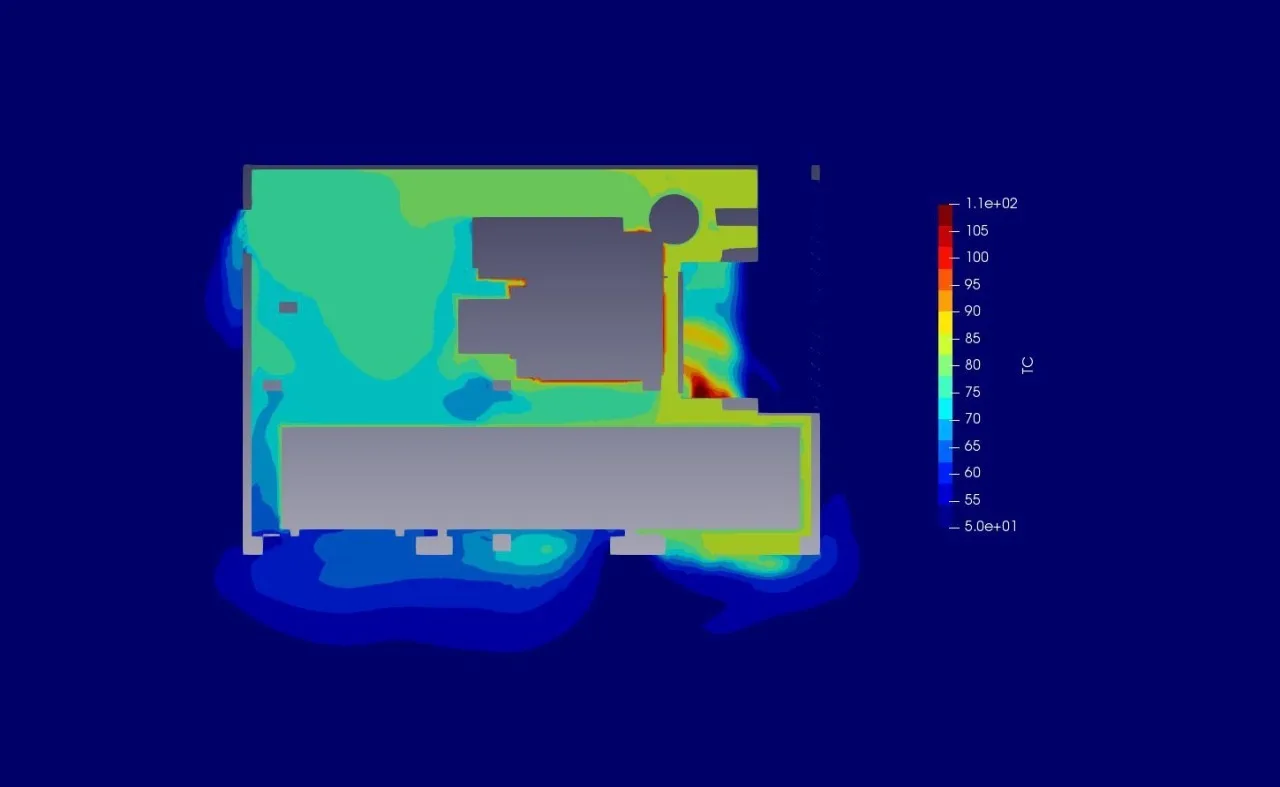
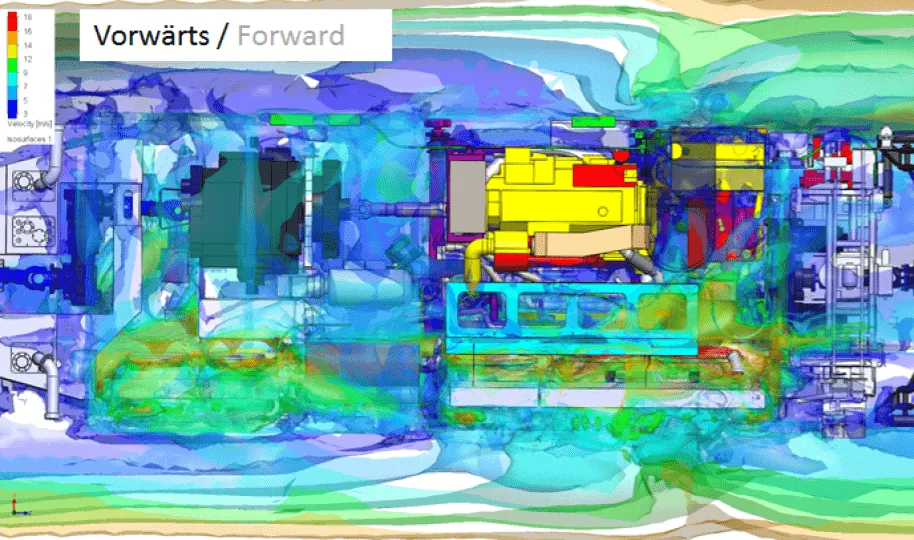
Gas flow and heat transport
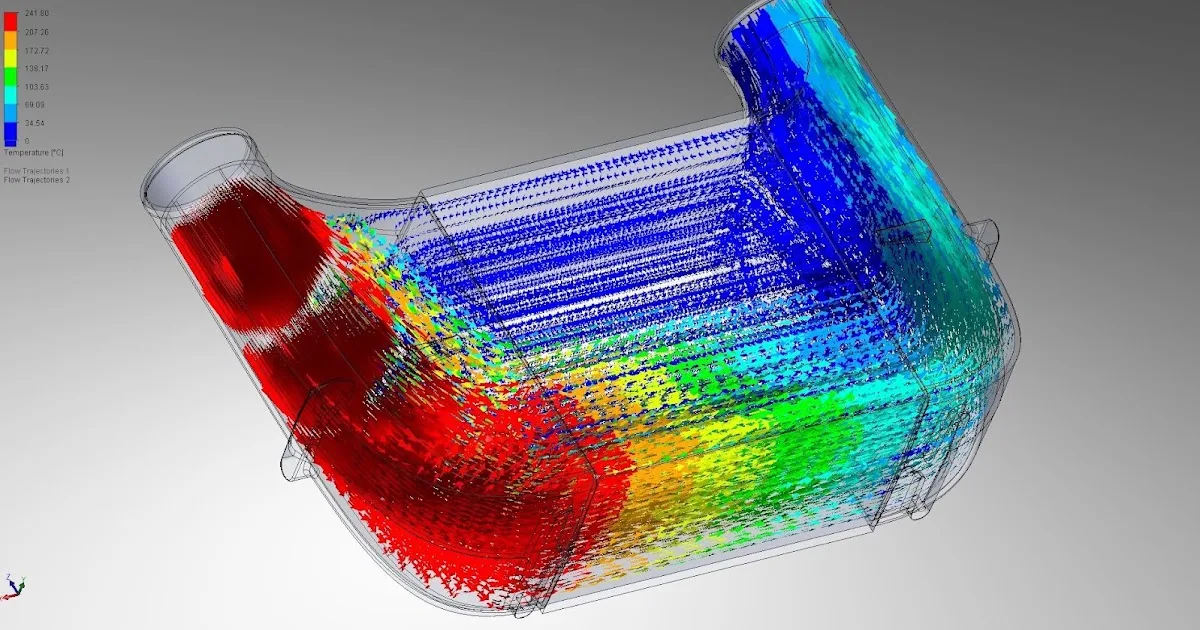
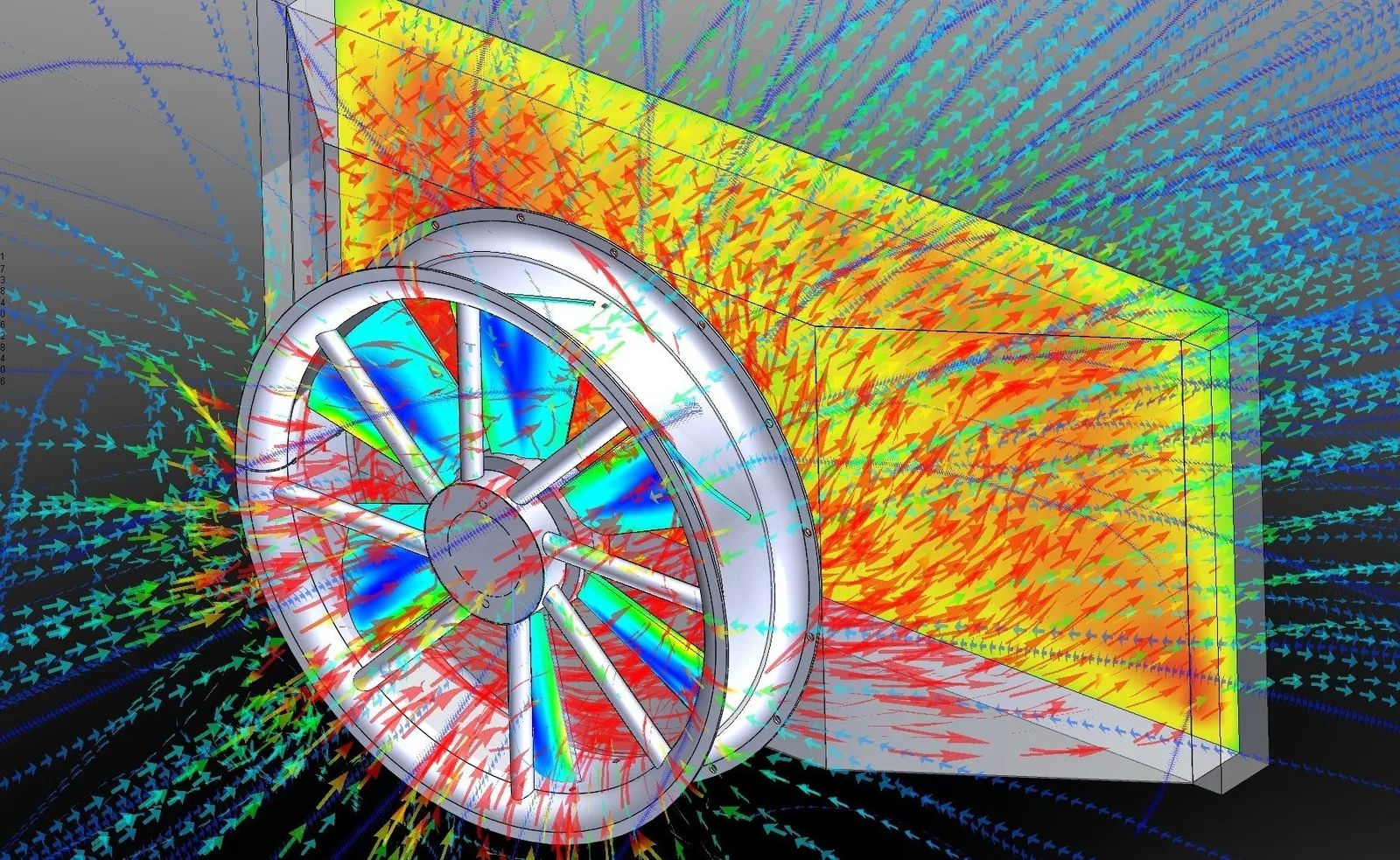
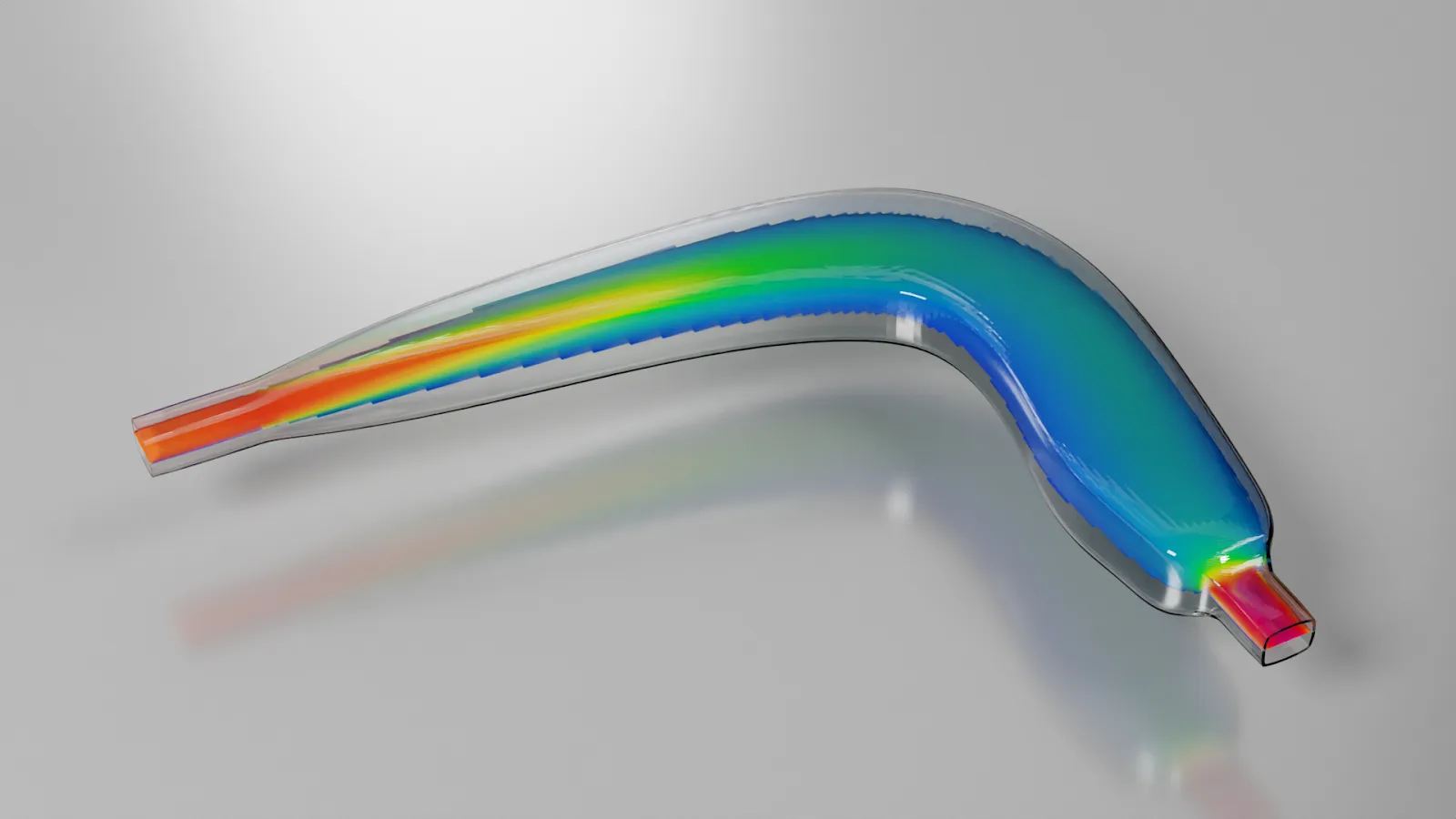
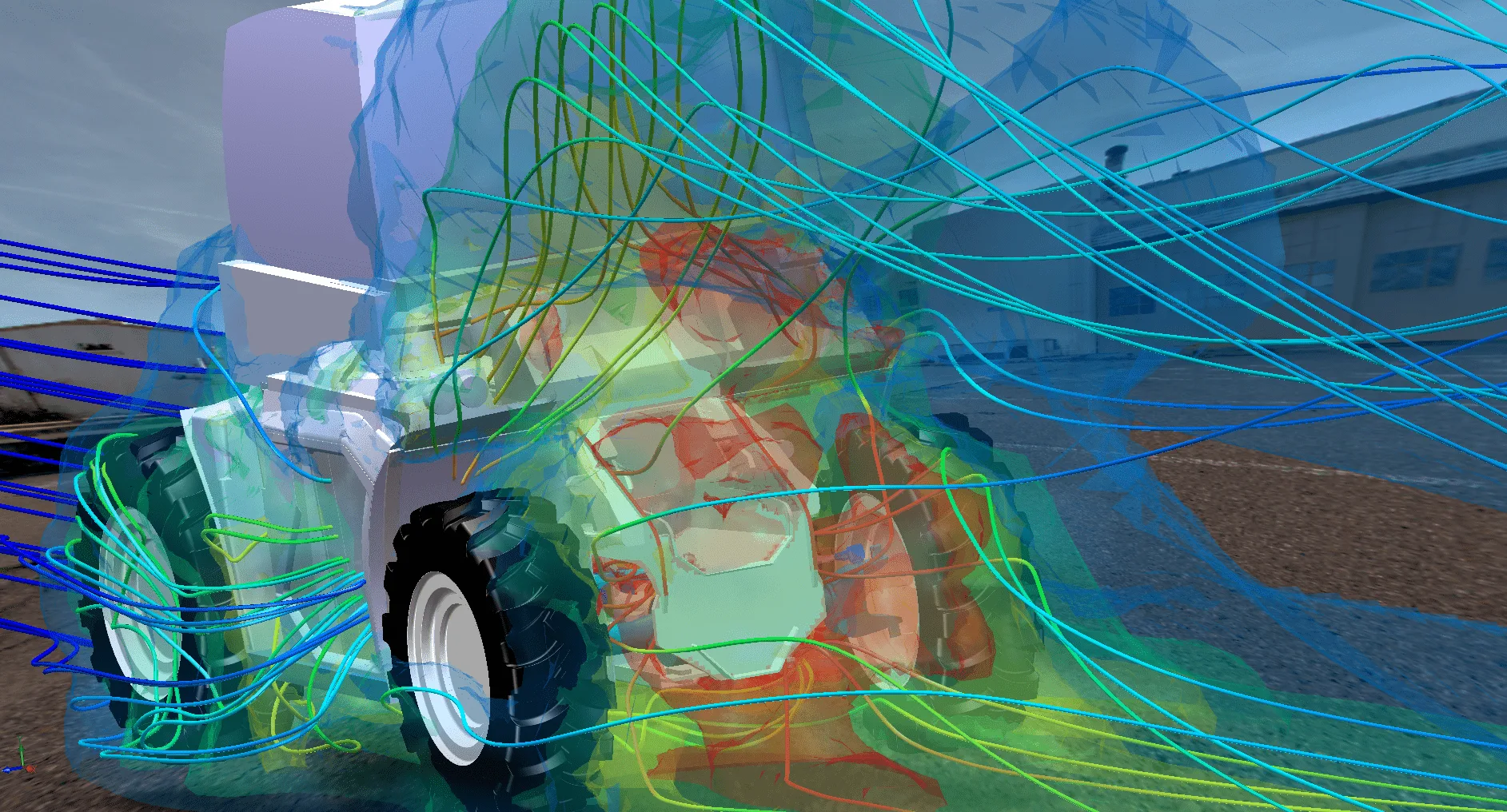
Exhaust paths, valves and ventilated spaces can be assessed for pressure loss, mixing, temperature and species transport. Model selection follows composition, pressure level and the relevant time scale.
Smoke and gas dispersion
Fire scenarios can assess smoke, temperature and species transport as well as detector or extraction-system exposure. Assessment criteria, sources and operating cases are derived from the project requirements.
Required input
Useful models need traceable definitions for fire load, release rate, composition and detector criteria.
- Geometry and ventilation state
- Time-dependent source
- Thermal material properties
- Measurement or test plan for correlation
Source, fill level and sensor location
In bunkers, fill level, release assumptions and ventilation state change gas transport. A volume average can conceal local concentration peaks. In thermal fire scenarios, the timing of heat reaching a sensor or component also matters.