Model & approach
- Model hot equipment, supports, main beam, bearings and surrounding environment thermally
- Compare profile, support and insulation variants through heat paths and gradients

Project study
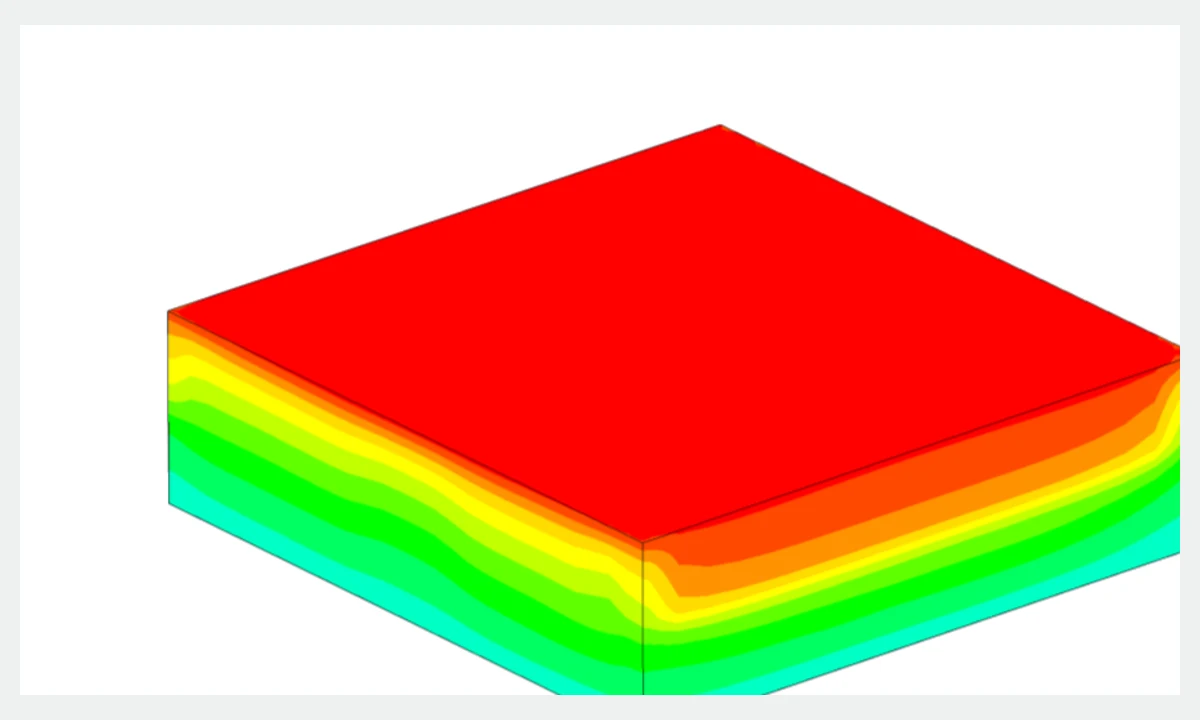
A heat-conduction and boundary-condition model compared beam and support variants to limit heat transfer from hot equipment into the frame and sliding bearings.
Engineering question
Model & approach
Boundary conditions
Results of the assessment
Engineering consequence
 Process & plant engineering
CFD simulation
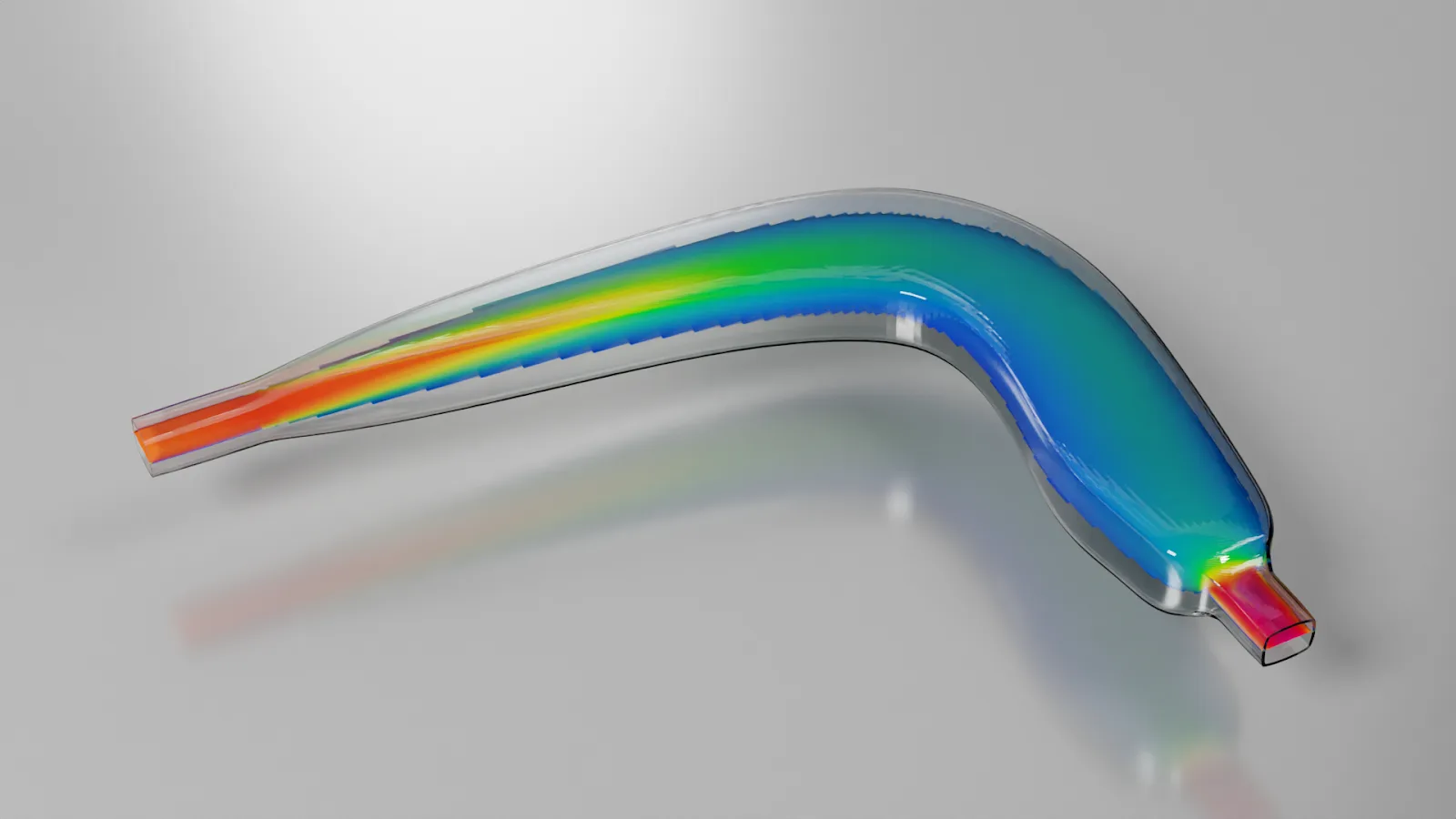
CFD and adjoint optimization were used to develop a compact flow turn within defined packaging constraints.
View project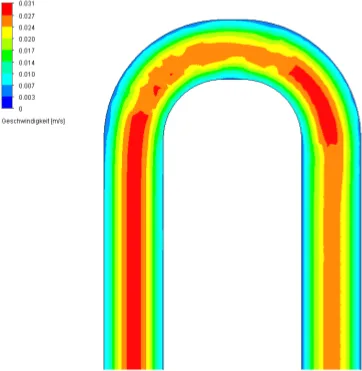 Process & plant engineering
CFD simulation
CFD assessed the form and orientation of separator baffles whose movement through pipe bends could impair stable operation.
View project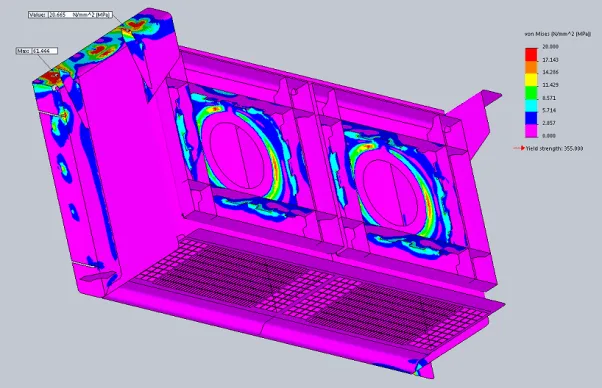 Process & plant engineering
FEA structural analysis
A finite-element model assessed the assembly, welded joints and support reactions across operating, exceptional and vibration load families.
View projectA similar question?