Model & approach
- Combine shell, beam and connection elements in an efficient assembly model
- Evaluate static, modal, harmonic and random-vibration cases through a consistent post-processing chain

Project study
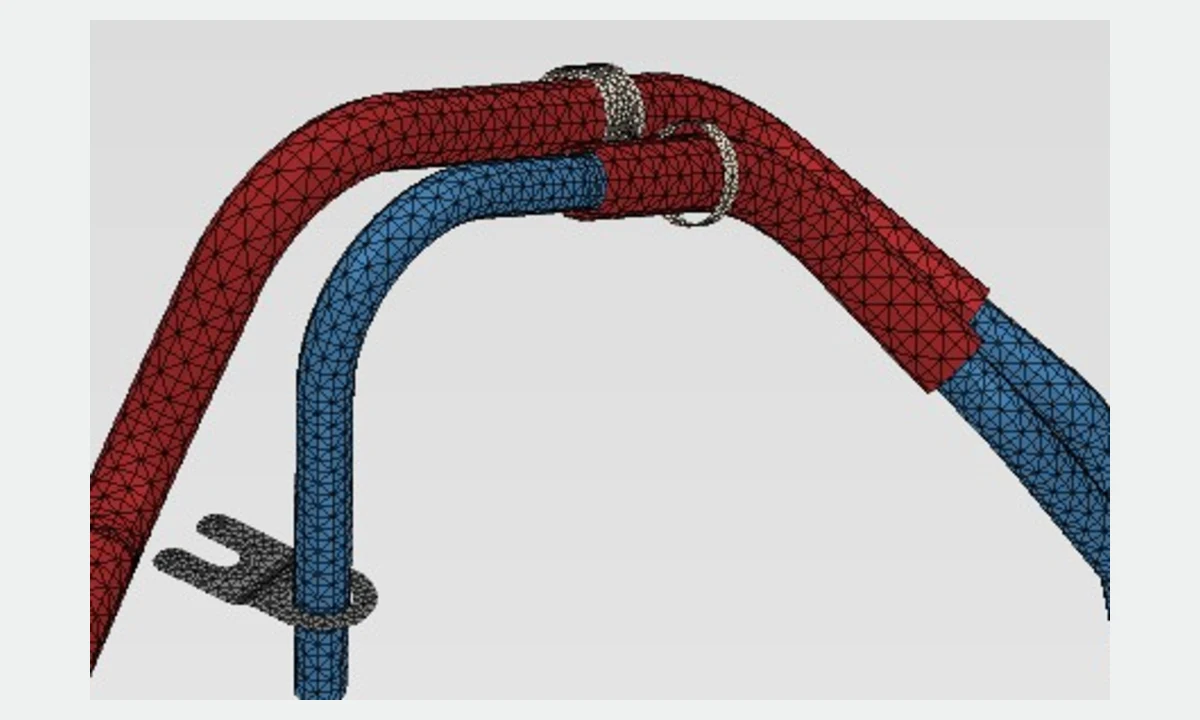
An automated FEA workflow assessed routed tube and hose assemblies with brackets across static loads, modes, vibration excitation and fatigue.
Engineering question
Model & approach
Boundary conditions
Results of the assessment
Engineering consequence
 Automotive
FEA · static / nonlinear
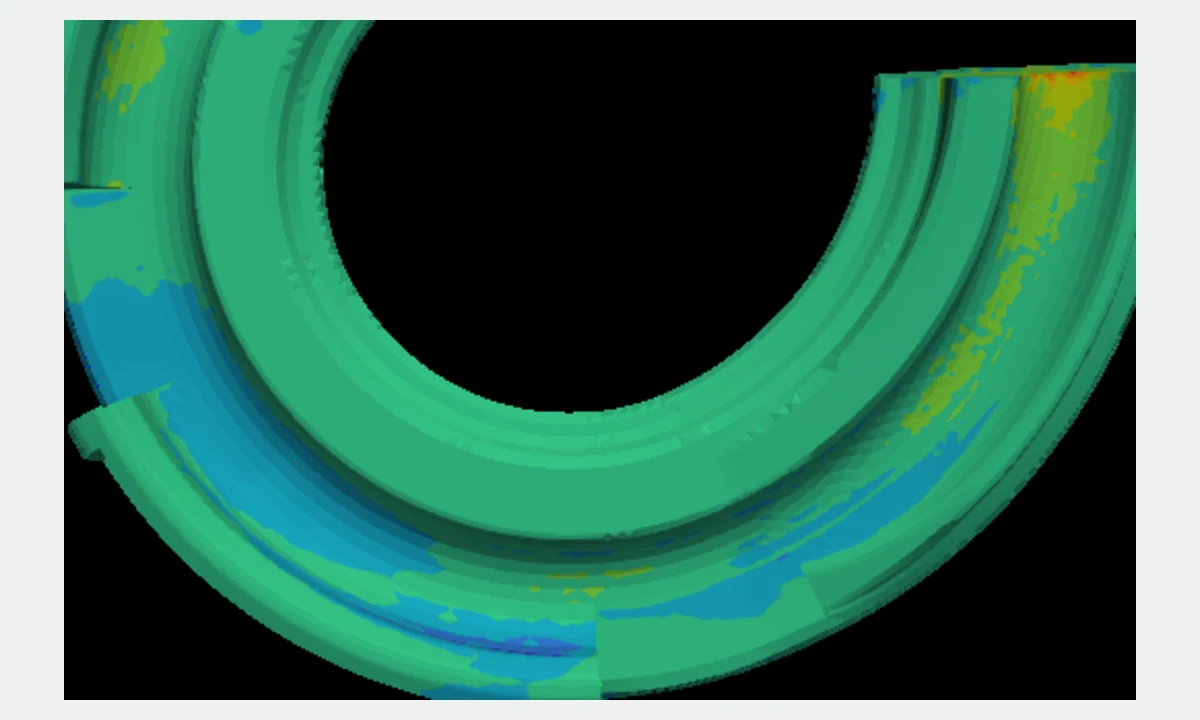
Nonlinear structural models assessed deformation, contact and load transfer in compact spring, bump-stop and elastomer assemblies.
View project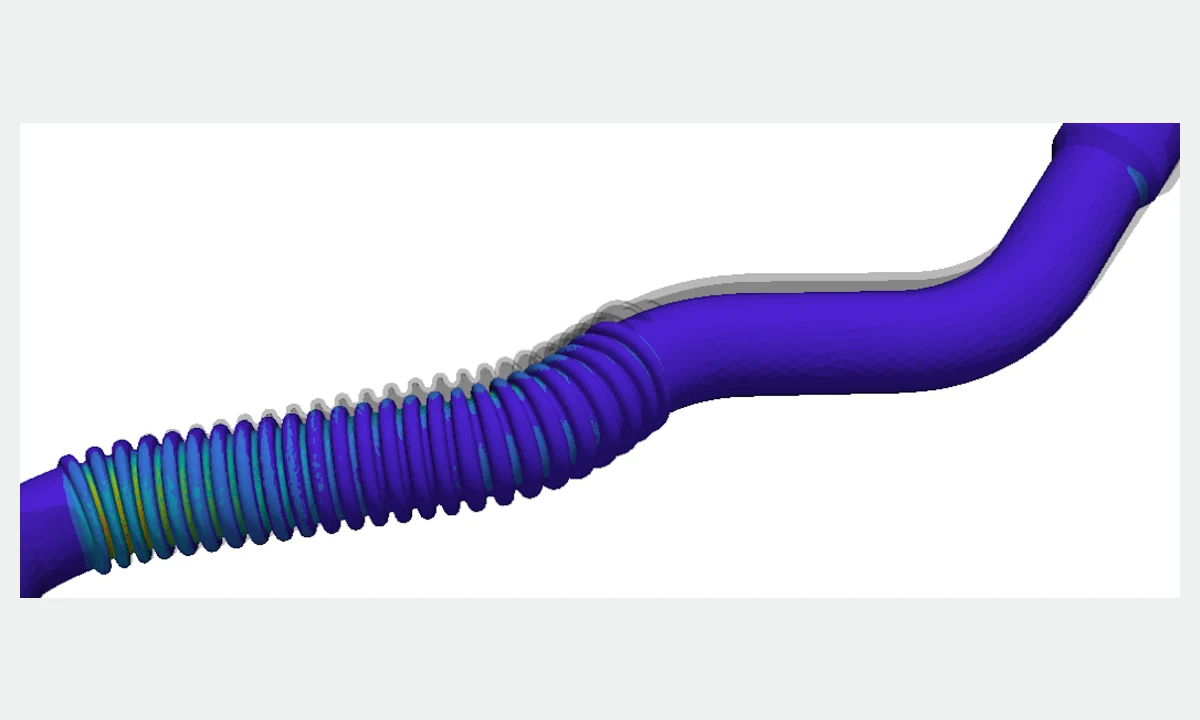 Automotive
FEA · static and CFD
Related assignments combined structural mechanics and internal flow to assess flexible line sections for movement, local demand and flow resistance.
View project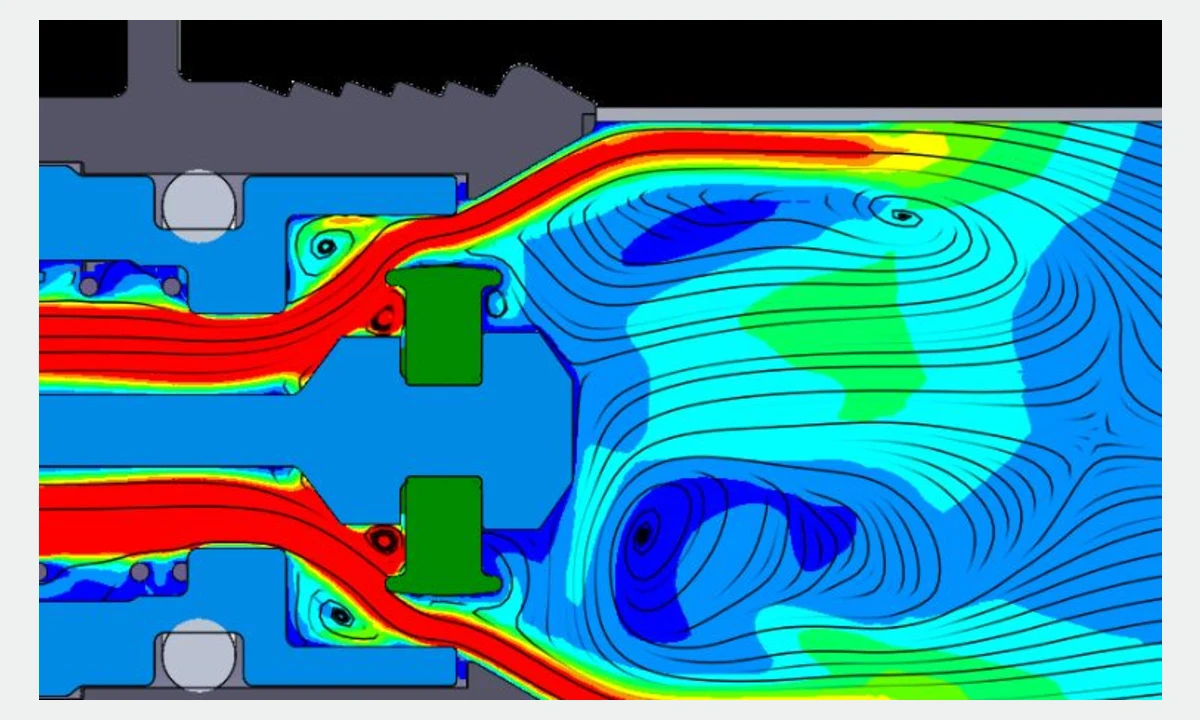 Automotive
CFD · steady-state
Several internal-flow assignments combined lines, couplings and cleaning paths into temperature-dependent resistance characteristics for complete liquid circuits.
View projectA similar question?